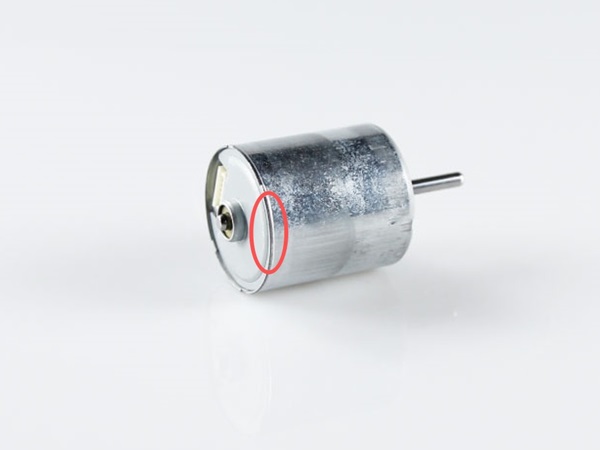
Regarding feedback from some users about the susceptibility to oxidation and rust at the crimped edge of the motor housing, the response is as follows:
Cause of Oxidation/Rust:
During the stamping and shearing process, external force alters the metal’s crystalline structure at the crimped edge. This leads to changes in the internal stress of the metal, placing it in an imbalanced state. As a result, areas with concentrated stress are highly prone to oxidation and rust. This phenomenon occurs with all materials commonly used for motor housings, including cold-rolled steel sheets, aluminum alloys, and stainless steel, due to the nature of the processing.
Common Treatment Methods:
The cut surfaces are typically treated by passivation, oil coating, painting, or electroplating.
Practical Impact:
During actual production, both the motor body and the cut surfaces of the crimped edges undergo oil coating treatment. Oxidation and rust may occur if the protective oil layer is damaged during handling (e.g., when the motor is handled without gloves). In ordinary long-term use environments, such oxidation and rust do not affect the motor’s performance, and it remains safe for use. If aesthetics are a concern, it is recommended to lightly apply a product such as WD-40 to the crimped edge of the motor for anti-oxidation treatment.