
Noise control in small diaphragm pumps is a systems engineering challenge, primarily because their noise spectrum typically contains a mix of both high-frequency and low-frequency components. The physical characteristics and treatment methods for these two noise types are fundamentally different.
High-Frequency Noise features short wavelengths, strong directionality, concentrated energy, and rapid attenuation. The core control strategies are absorption, blocking, and damping.
- Sound-Absorbing Materials: Applying porous acoustic foam (e.g., fiberglass, polyester fiber) inside the pump housing or air channels.
- Acoustic Enclosures/Shells: Using sealed enclosures to block sound transmission, with interior acoustic lining for enhanced effect.
- Damping Treatment: Applying damping materials to vibrating plates or the housing to suppress high-frequency vibration radiation.
Low-Frequency Noise is characterized by long wavelengths, strong penetration, slow attenuation, and a tendency to induce structural resonance. The core control strategies are vibration isolation, mass addition, and active cancellation.
- Vibration Isolation Systems: Using flexible mounts/pads (e.g., rubber, silicone) to isolate vibration transmission from the pump to the mounting surface.
- Mass Addition / Structural Stiffening: Increasing the mass of the pump body or base to alter the natural frequency and reduce resonance.
- Active Noise Control (ANC): Using a microphone to sample noise and a speaker to emit cancelling anti-noise waves (technically complex and higher cost).
Pump noise is typically broadband. A comprehensive system solution might involve: using absorbent materials internally for high-frequency flow noise → isolating the pump with dampers for low-frequency vibration → employing a sealed, acoustically-lined external enclosure for overall noise containment. In practice, however, solutions must be tailored flexibly based on specific acoustic targets and cost constraints. For non-silent environments, one or two core methods are often sufficient to meet acceptable noise levels.
The following summarizes prevalent, cost-effective, and highly effective noise control techniques for small diaphragm pumps on the market:
- Motor Speed Adjustment: Varying the motor speed changes its excitation frequency (and harmonics), effectively avoiding the structure's main natural frequencies (resonance points). This is a common active method to reduce resonance-induced noise.
- Pump Head Wrapping: Wrapping the pump head with flexible damping materials like polyethylene (PE) foam effectively attenuates the transmission of head vibration, reducing structure-borne noise. Critical: This must only be applied to the pump head, never the motor, to avoid overheating and failure.
- Connecting a Tapered Tube: A simple, effective, and low-cost method. For example, connect a short section of smaller-diameter tubing (e.g., Ø1 * 3 silicone) to the main pump inlet/outlet tube (e.g., Ø3 * 5 silicone).

Note on Noise Paths: Aerodynamic noise primarily radiates from the inlet and outlet ports. Observations show asymmetric noise distribution: the port connected to the load is quieter, while the open/unconnected port is the dominant noise source. Specifically, the inlet is the main source in pressure mode, and the outlet is the main source in vacuum mode.
- Double-Walled Tubing: Sleeving a tube (e.g., silicone) with another of different material (e.g., PVC) creates a composite layer that provides both vibration isolation (constrains tube vibration) and sound insulation (blocks airborne sound). It addresses both airborne and structure-borne noise paths.
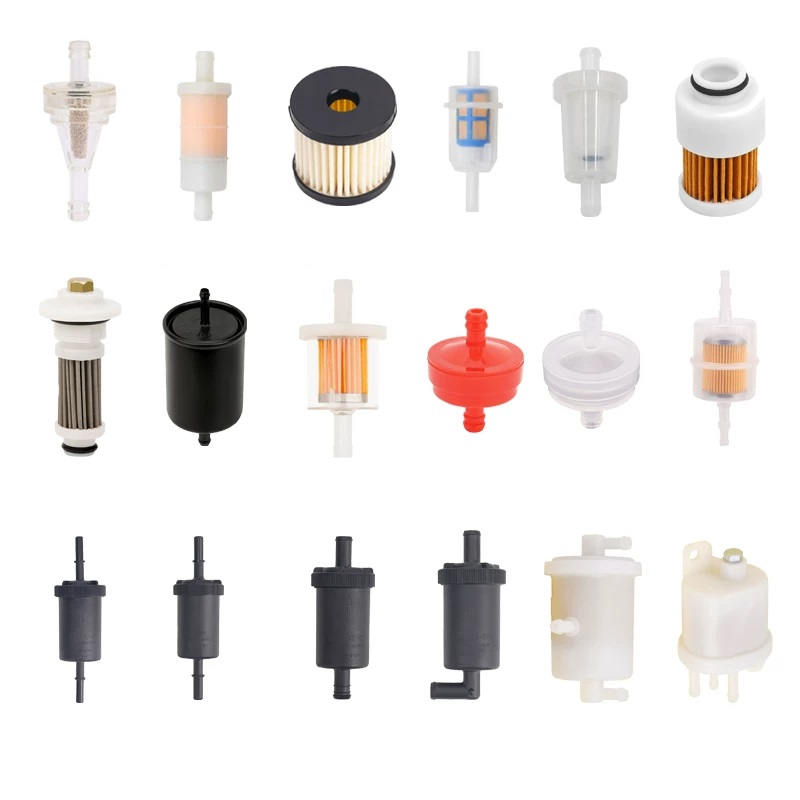
- Adding an Inlet/Outlet Filter: Installing a filter (e.g., a motorcycle fuel filter) is remarkably effective and highly recommended, capable of attenuating a significant portion of the overall noise.
- Enclosure-Based Noise Control: For sealed acoustic enclosures, greater surface density (mass per unit area) generally improves airborne sound insulation, provided seals are effective. For low-frequency or structure-borne noise, a combined design with damping and composite structures is necessary.
In conclusion, practical application requires a comprehensive evaluation and selective combination of the above measures based on specific acoustic targets, available space, and budget to achieve the optimal balance between performance, feasibility, and cost.