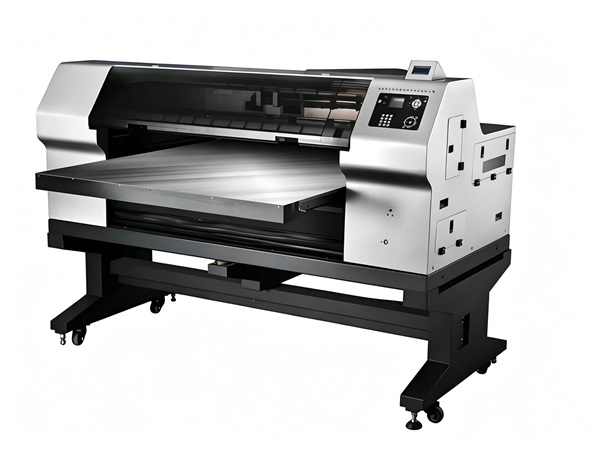
A diaphragm pump intermittently draws out gas from the air chamber or buffer chamber in the ink supply system, artificially maintaining a very small negative pressure (back pressure) within the printhead ink supply path. The ink surface at the nozzle is constrained by surface tension, forming a stable, non-dripping meniscus at the nozzle opening. Through the combined action of pressure differential (vacuum), surface tension, and the capillary structure of the nozzle, what is commonly referred to as 'fixed ink' is achieved.
What exactly does 'vacuum-fixed ink' fix?
In micro-spraying/inkjet printing, the nozzle orifice is extremely small (on the order of tens of microns). As long as the static pressure inside the ink channel is slightly lower than atmospheric pressure, the following issues are avoided at the nozzle opening:
- Droplet hanging or ink leakage caused by gravity or overpressure
- Liquid level drift caused by vibration or temperature changes
The liquid level stabilizes at one position, pneumatically locking the interface (liquid surface) at a controllable height and shape:
- The liquid surface appears as a slightly concave meniscus (pulled inward by the negative pressure)
- Once the printhead performs ejection (via piezoelectric deformation or thermal bubble expansion), it can overcome this small negative pressure plus surface tension to push the ink droplet out.
Applicable scenarios: Industrial non-contact fluid jetting equipment, such as inkjet coders, industrial inkjet printers, etc.
NIDEC diaphragm pumps have gained wide recognition in this industry due to their stable flow, low pulsation, long service life, and PWM flexible speed control capability. Main application models include: 00H220H022, 00H220H42, etc.